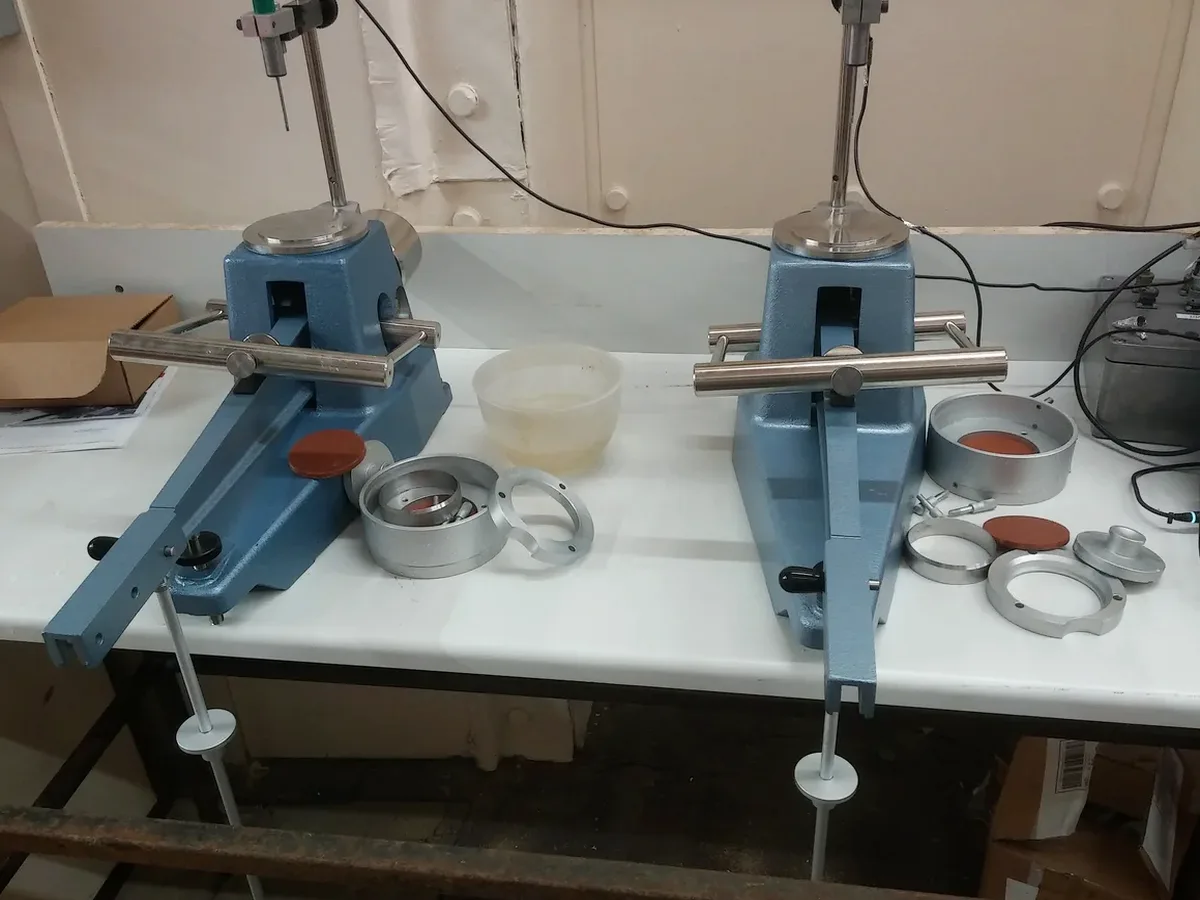
Contractors working in Boston's Back Bay or Seaport District learn quickly that the city's soil is not just fill. It is a complex layer cake of marine clay, glacial till, and historic debris. A common mistake is to treat all cohesive material as uniform and proceed with standard foundation assumptions. The real problem emerges when excavations hit a layer of Boston Blue Clay with high plasticity — a material notorious for volume change and low bearing capacity when wet. Without running Atterberg limits testing per ASTM D4318, the empirical classification of the fine fraction remains guesswork. We see this in projects where a simple grain size analysis alone cannot predict the shrink-swell behavior or the sensitivity of the clay skeleton. The liquid limit and plastic limit values are not academic numbers; they directly feed into the USCS classification that determines allowable bearing pressure under IBC Chapter 18.
The plasticity index of Boston Blue Clay routinely exceeds 25, classifying it as highly plastic — a critical parameter that changes foundation design requirements across the city.